DATE OF PROJECT 2025
LOCATION Penrose
MAIN CONTRACTOR Naylor Love

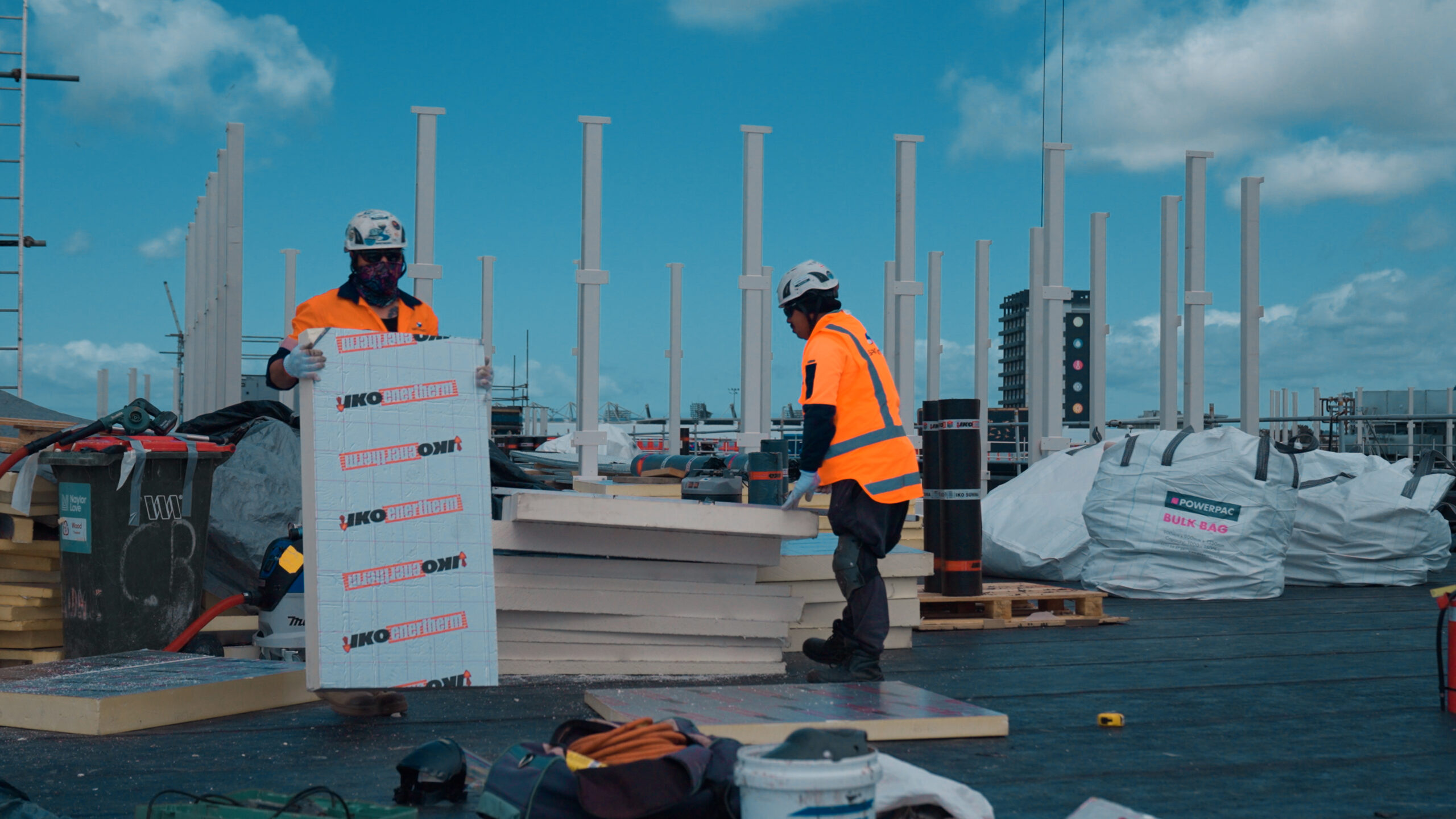
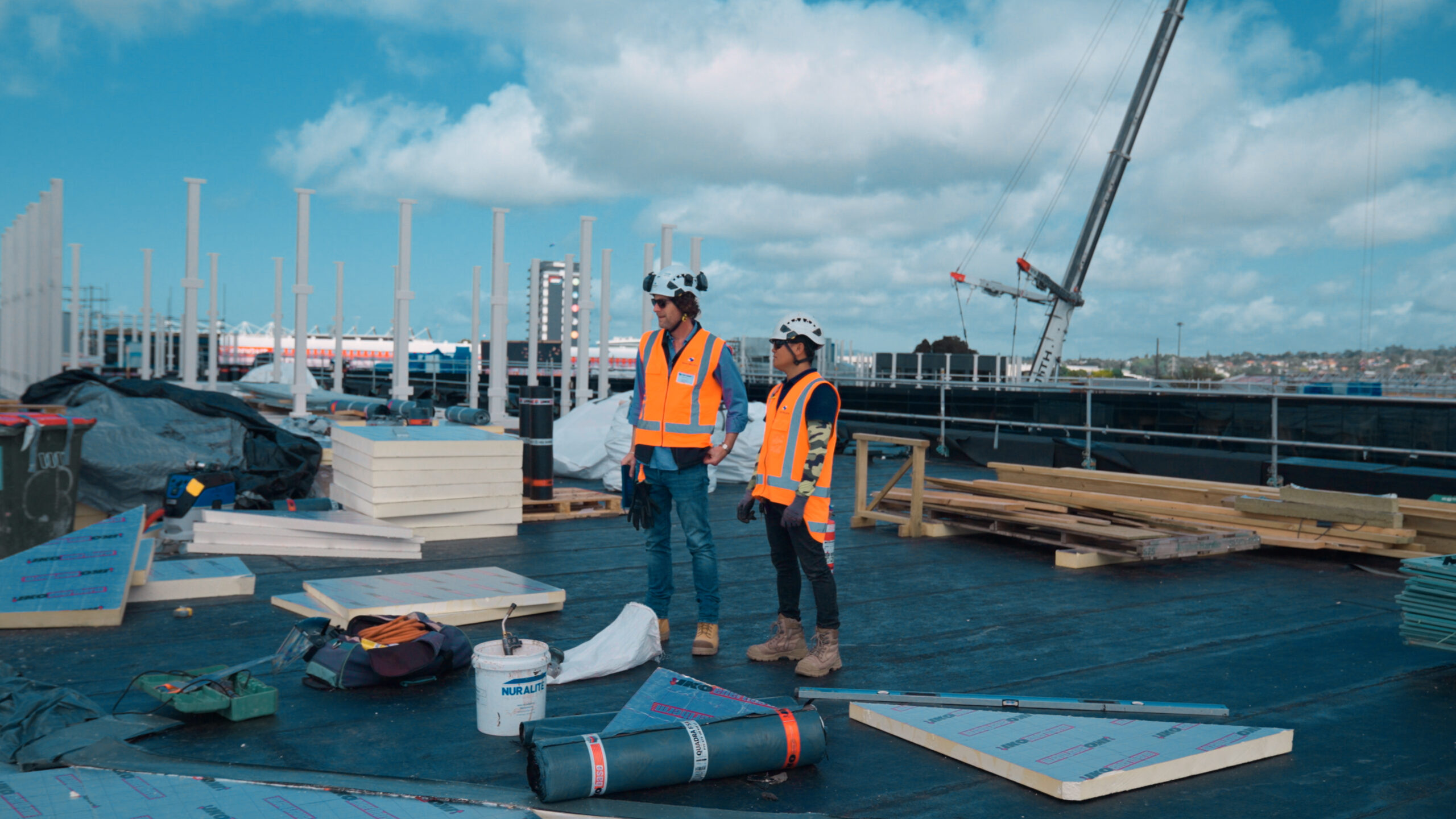
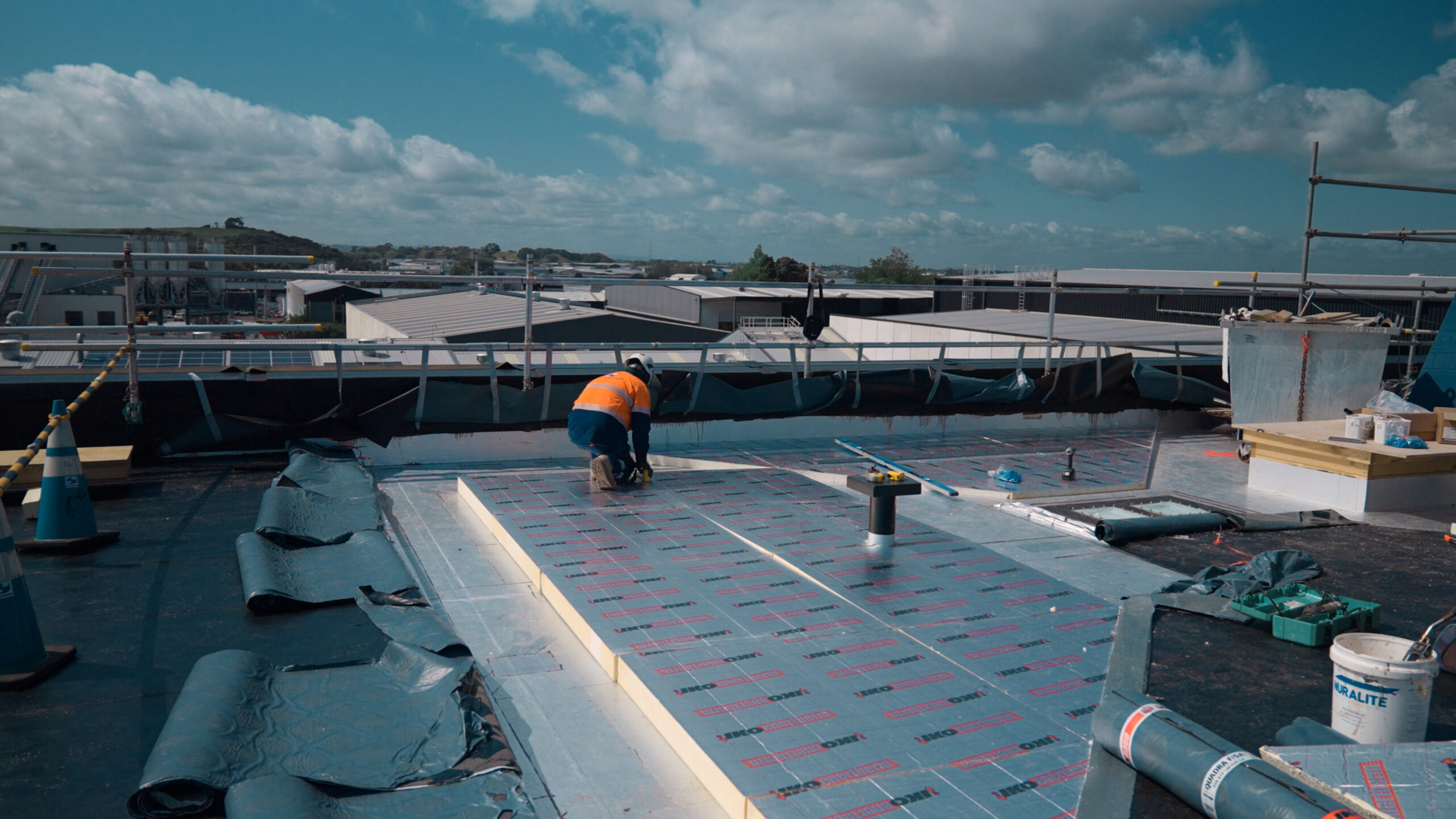
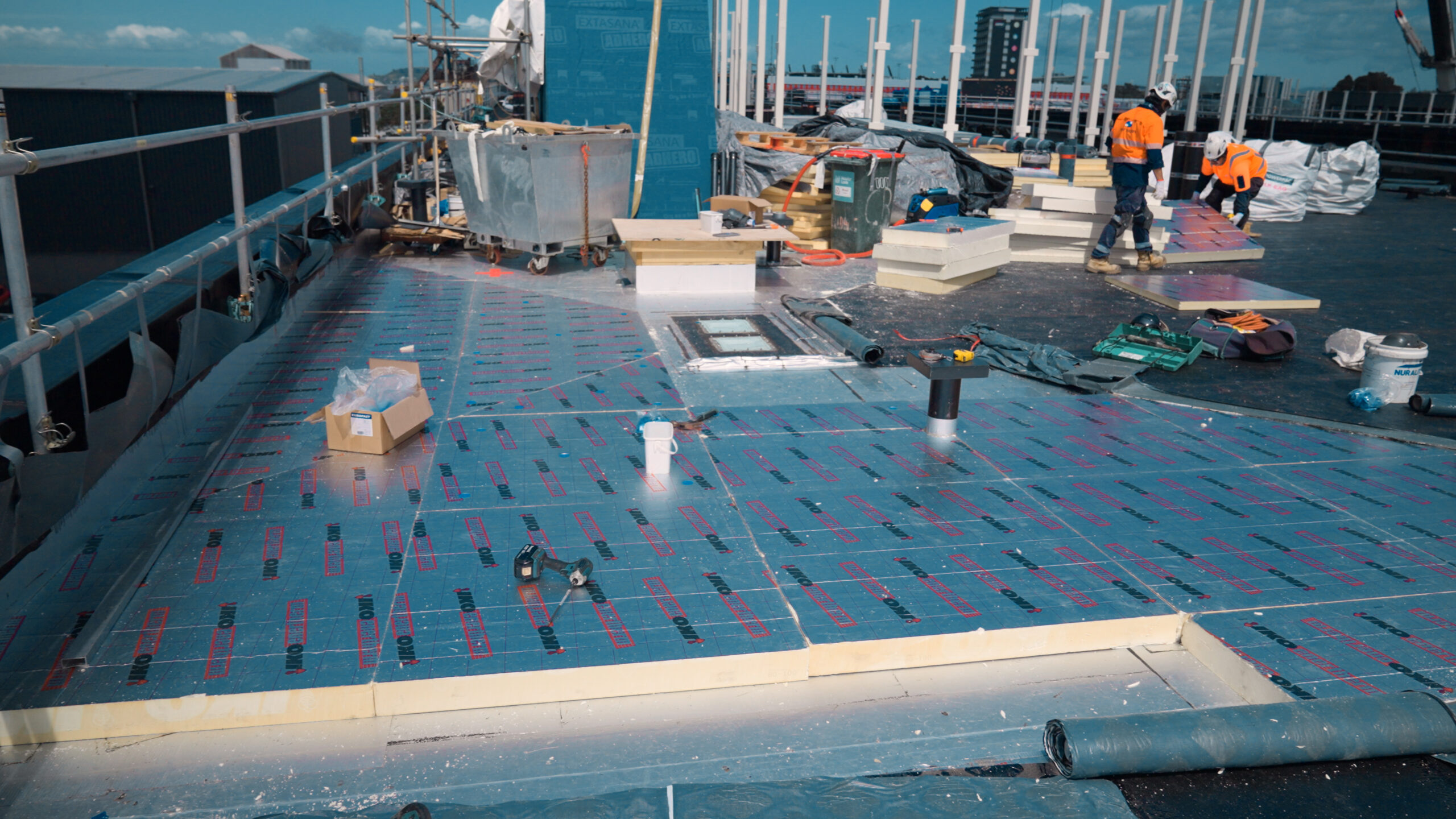
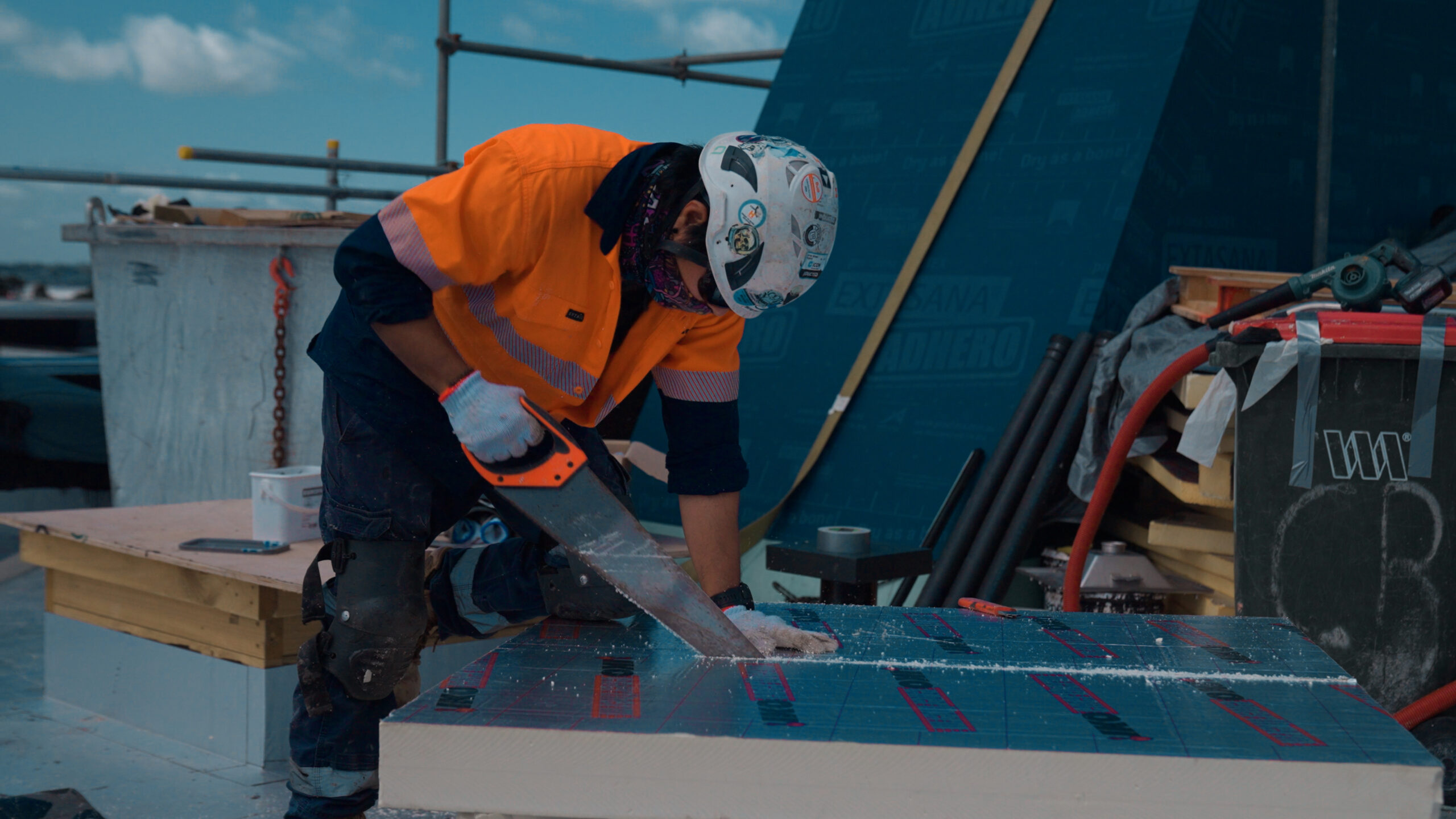
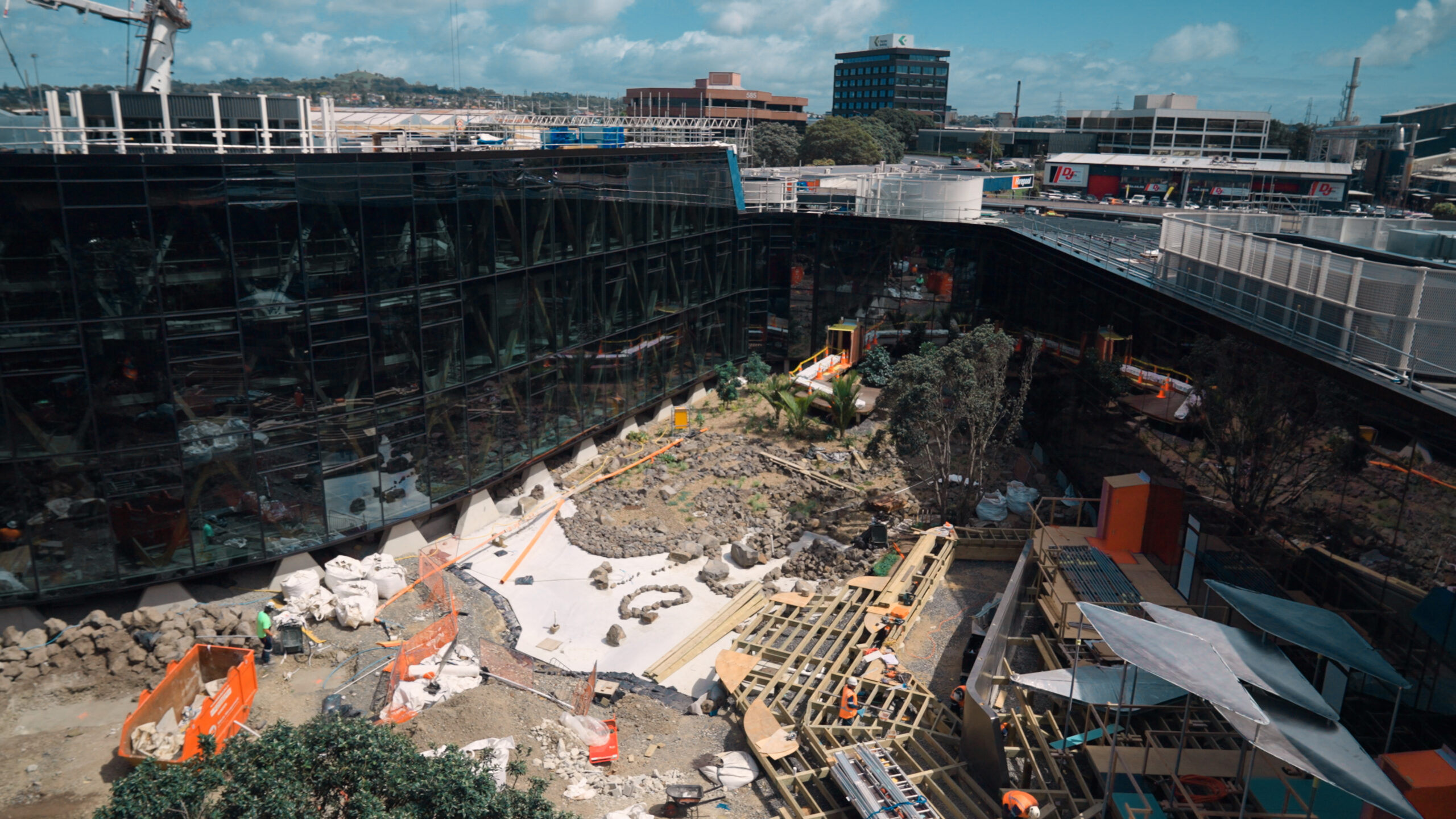
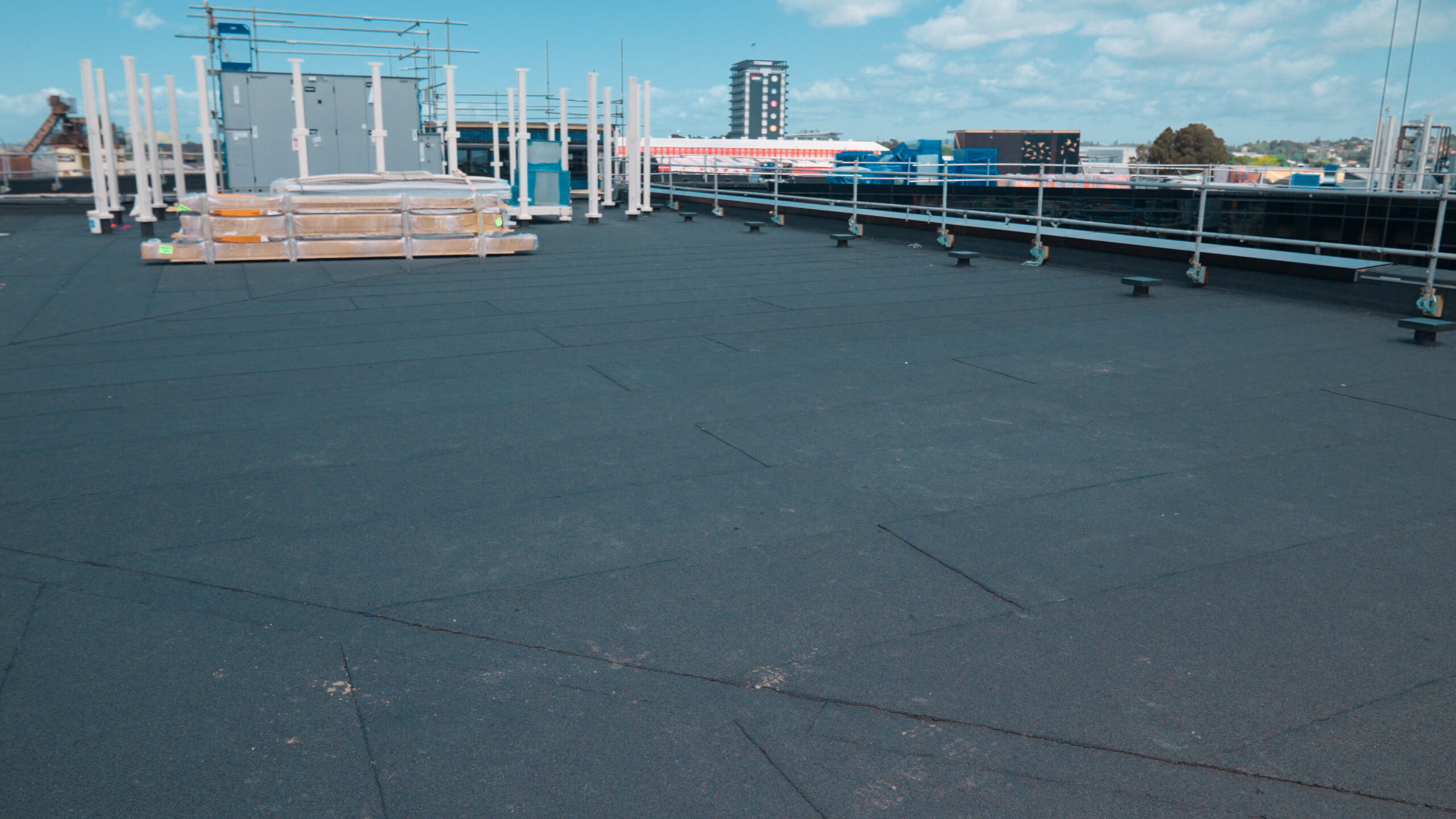
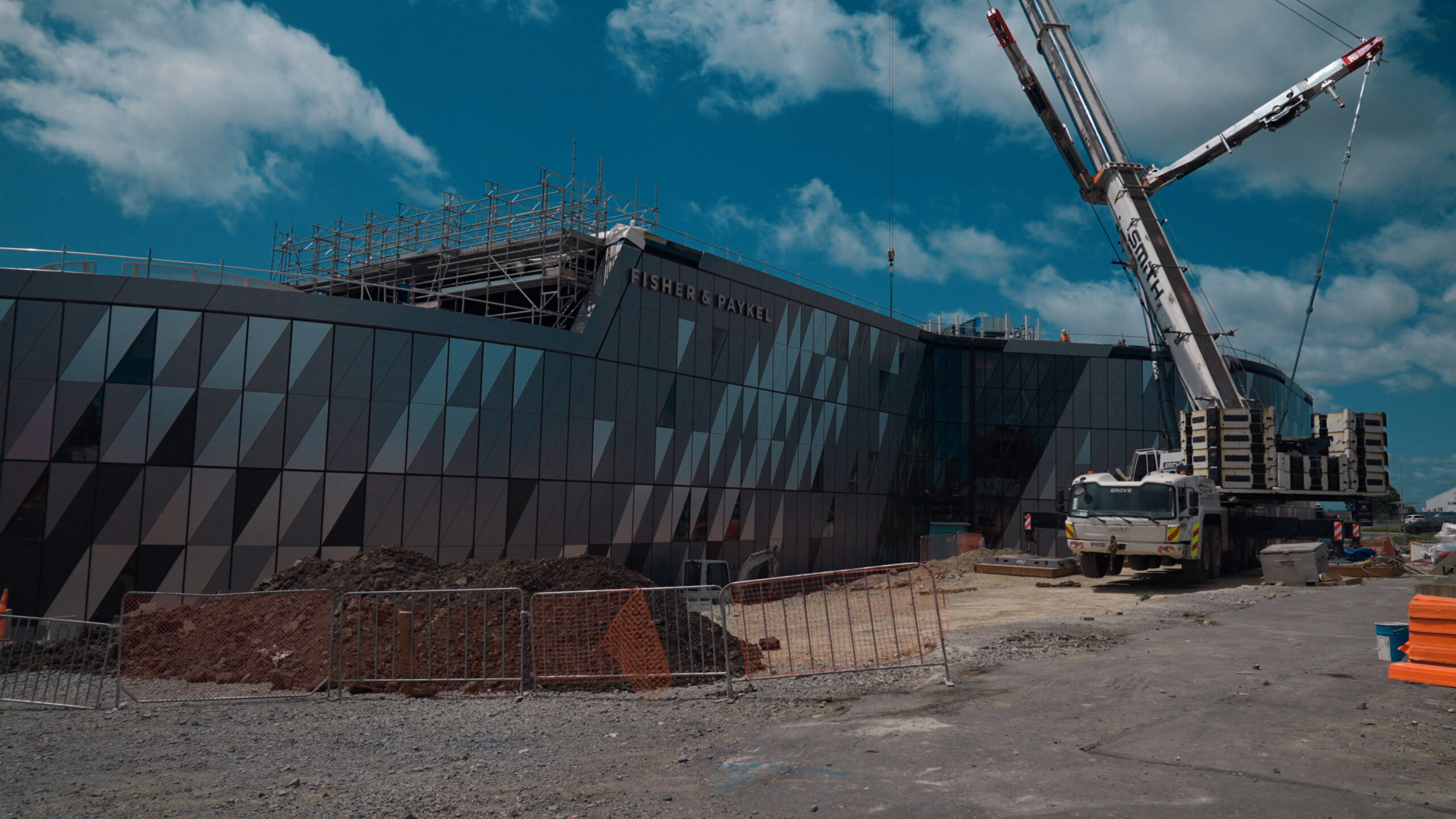
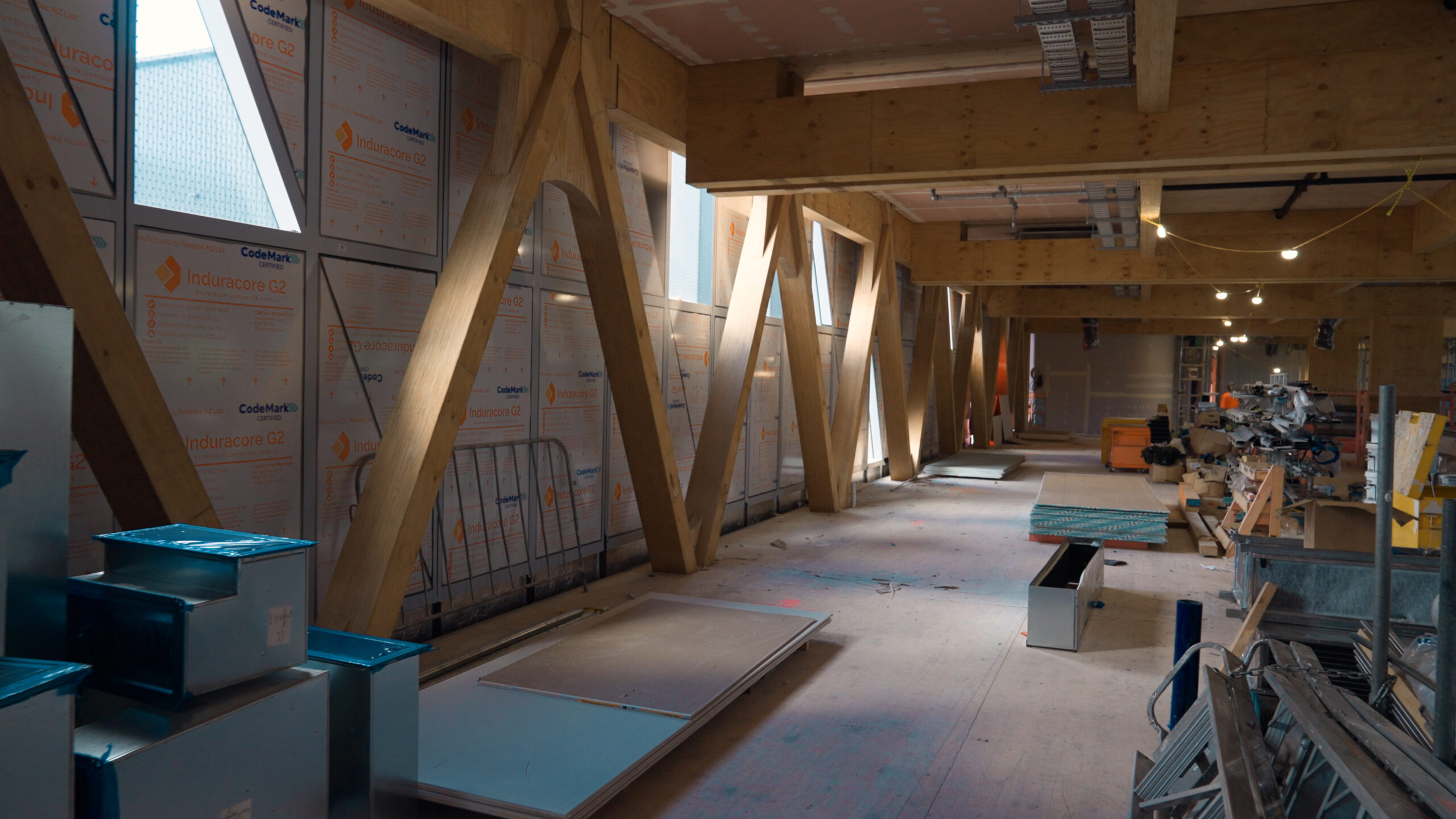
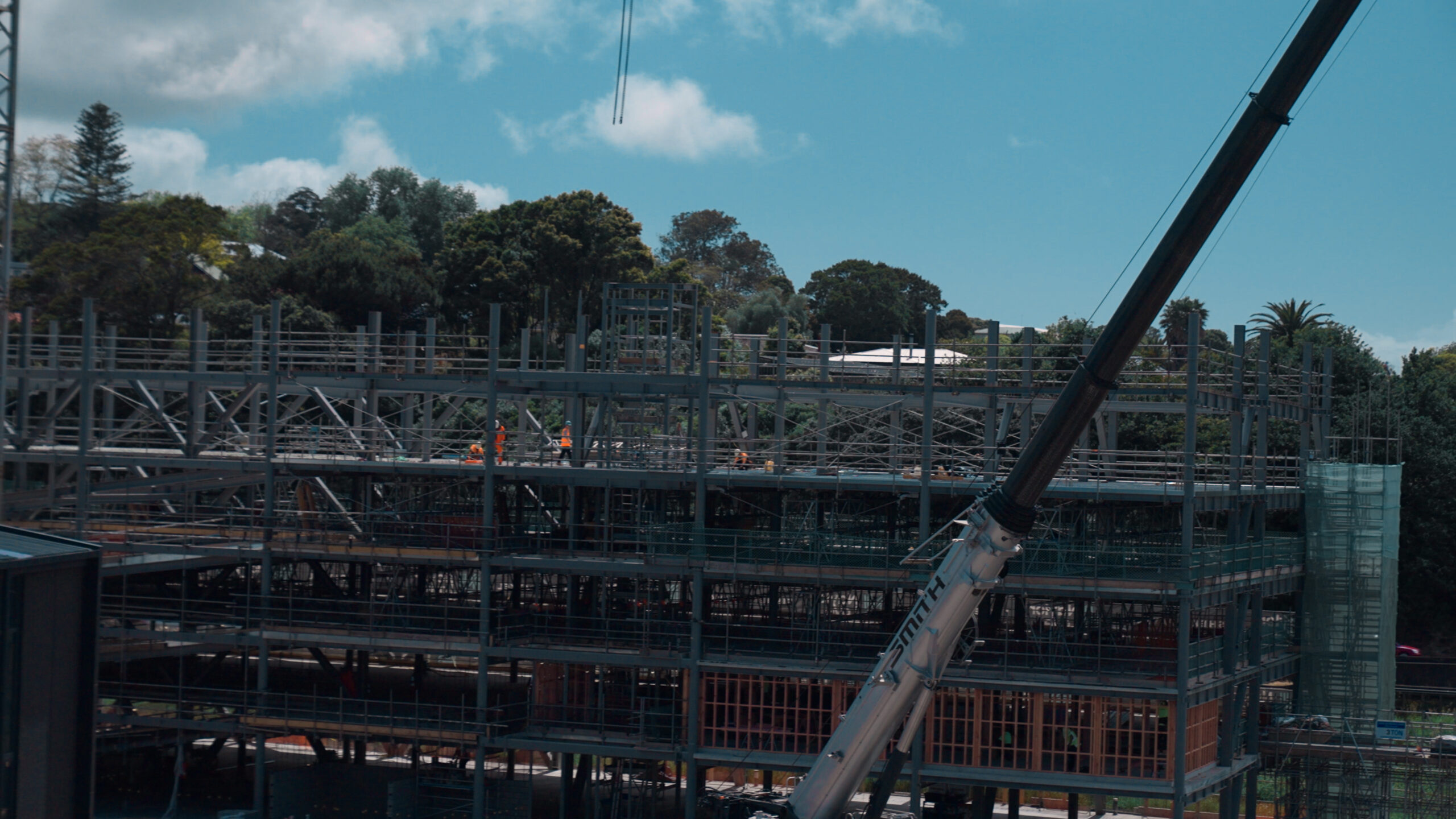
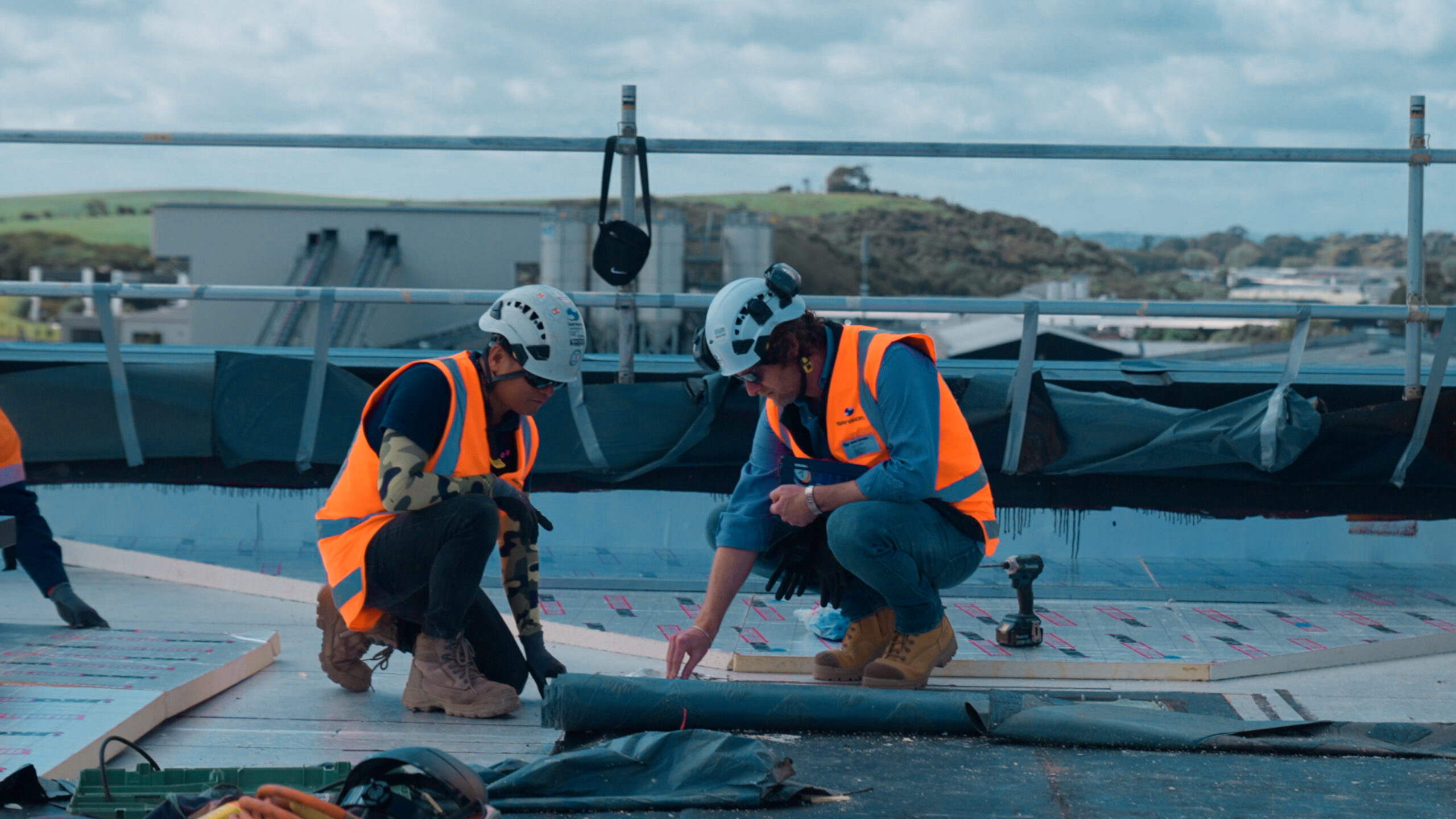
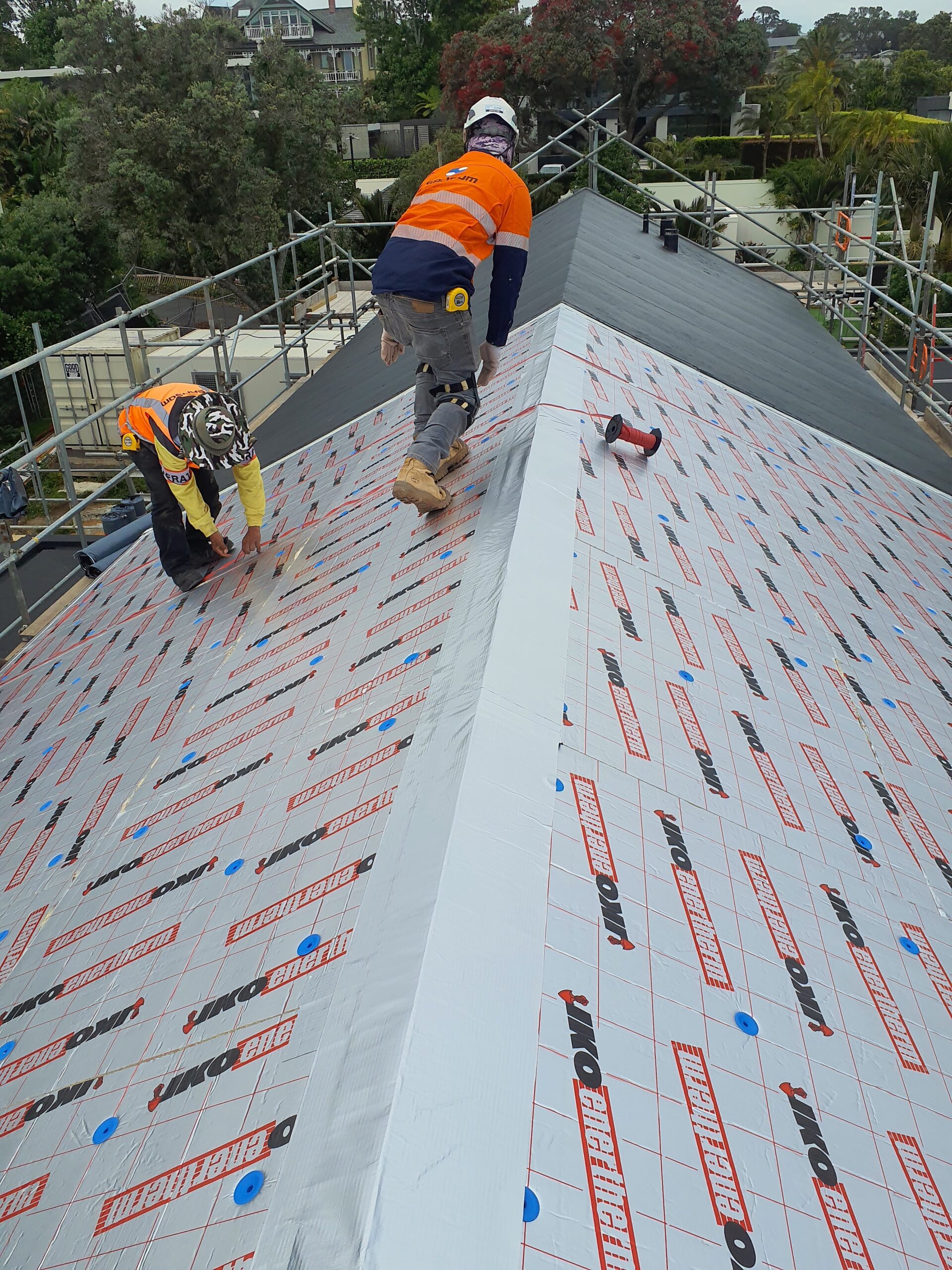
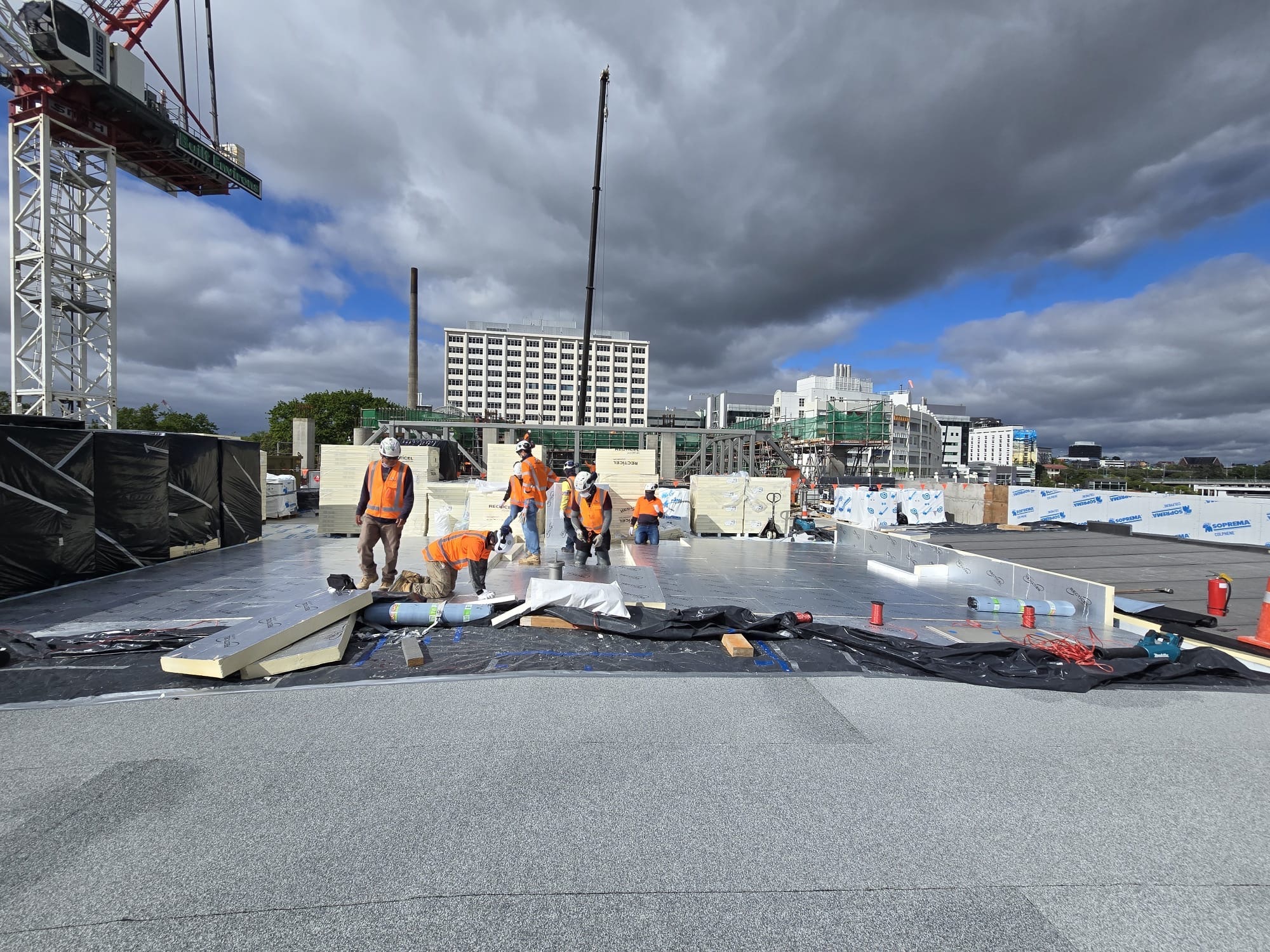
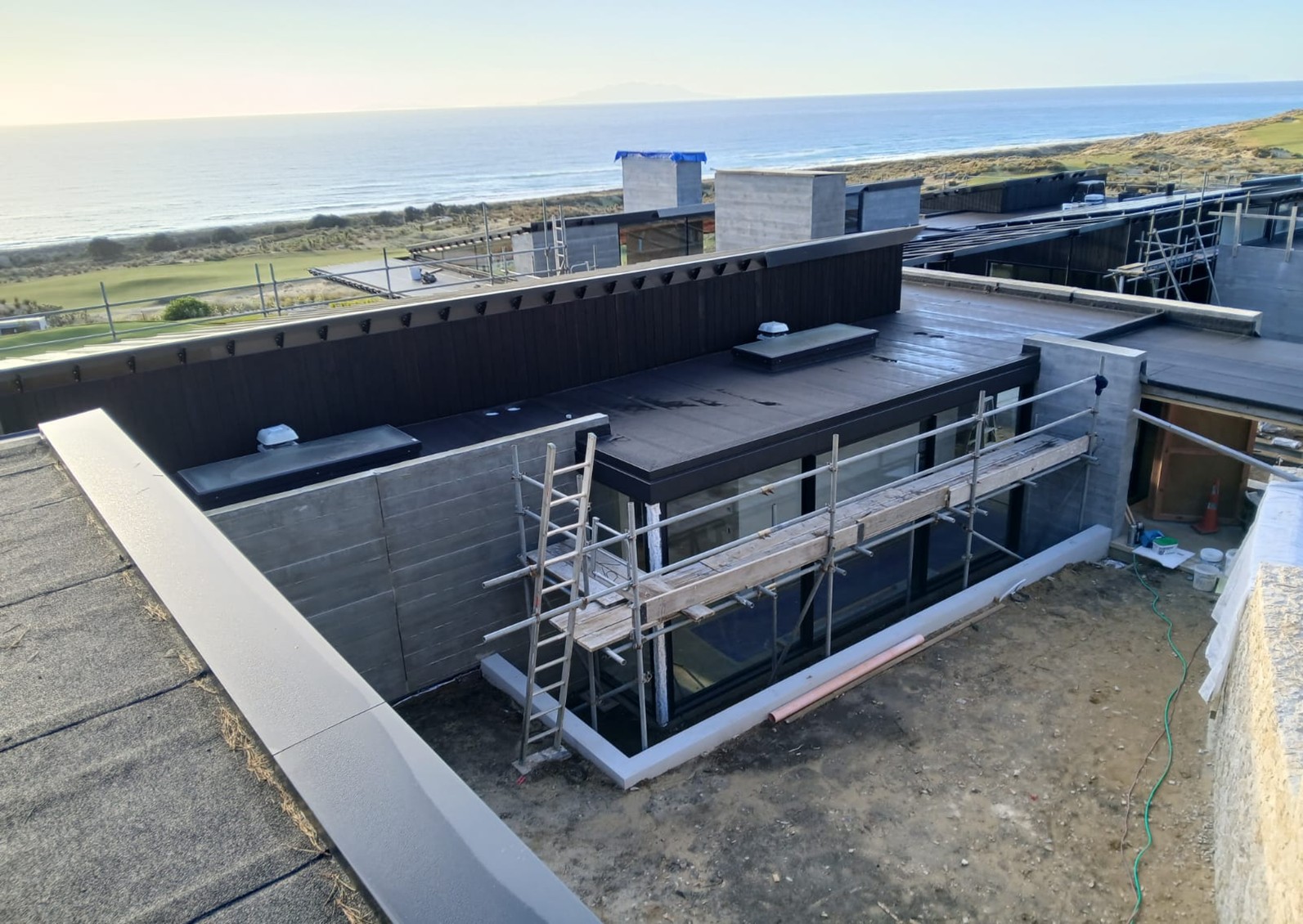
Fisher & Paykel Appliances’ new Green Star headquarters in Penrose features New Zealand’s largest cross-laminated timber structure to date – a three-storey development comprising three buildings: the Home building (offices), the Shed building, and the Garage. This innovative project required specialised warm roof installation using the Nuralite systems across the Shed and Home buildings.
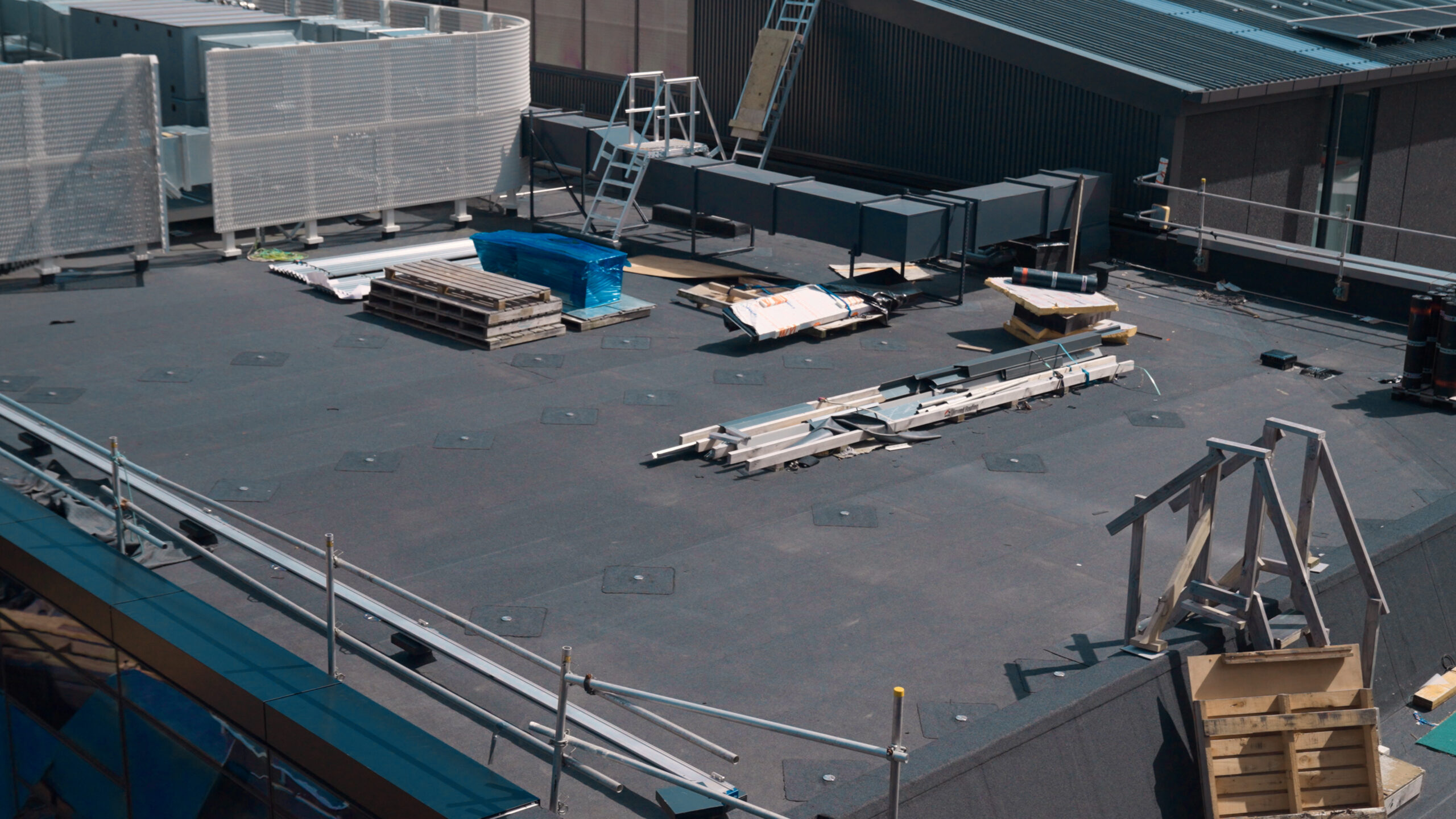
The project presented unique challenges, including managing water ingress risks during construction, detailing hundreds of solar panel penetrations, and coordinating around temporary safety installations – all without weather protection on this exposed timber structure.
Sansom secured early involvement with Naylor Love based on our proven experience with previous large timber structure projects and the lessons learned during those installations.
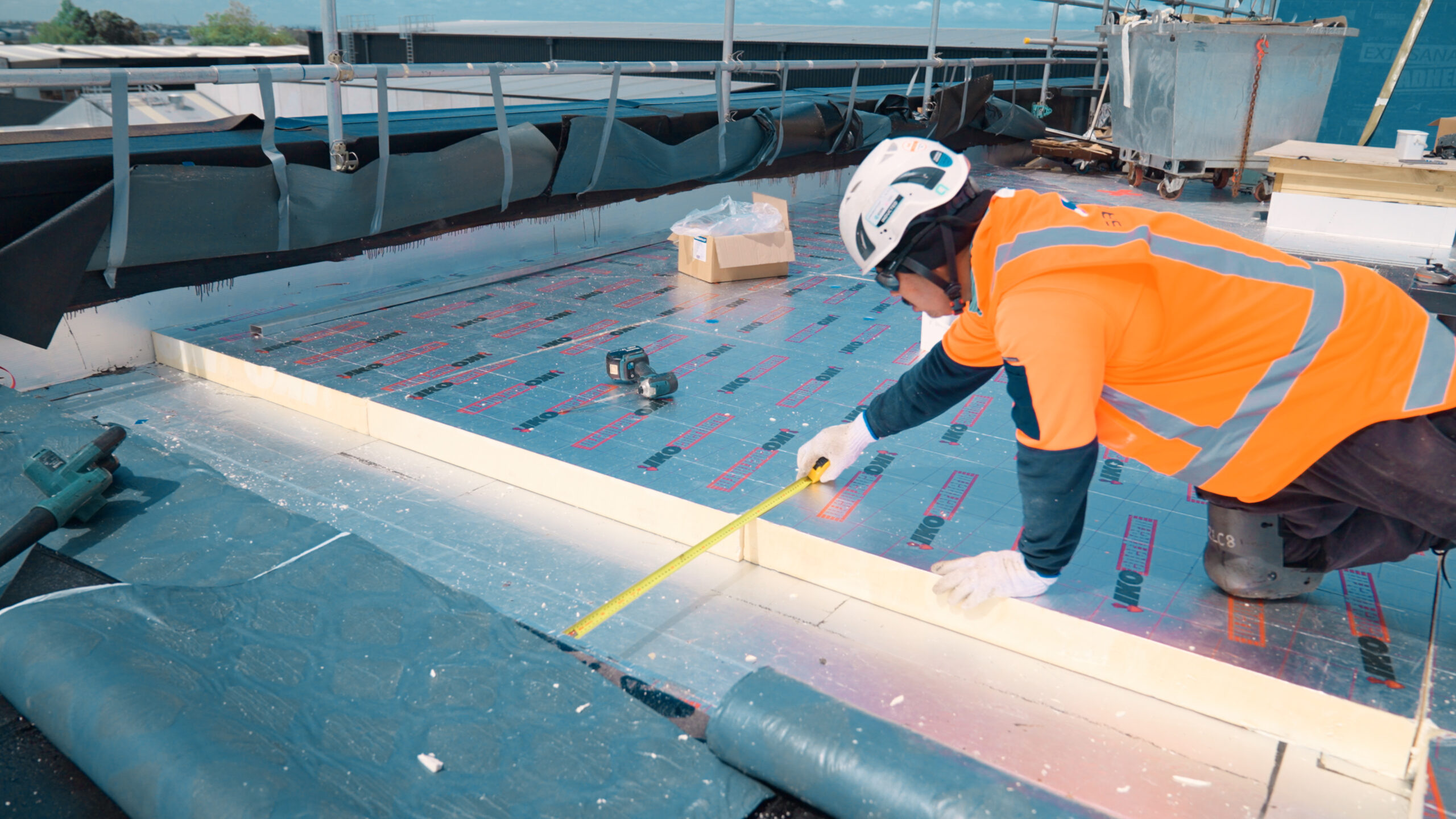
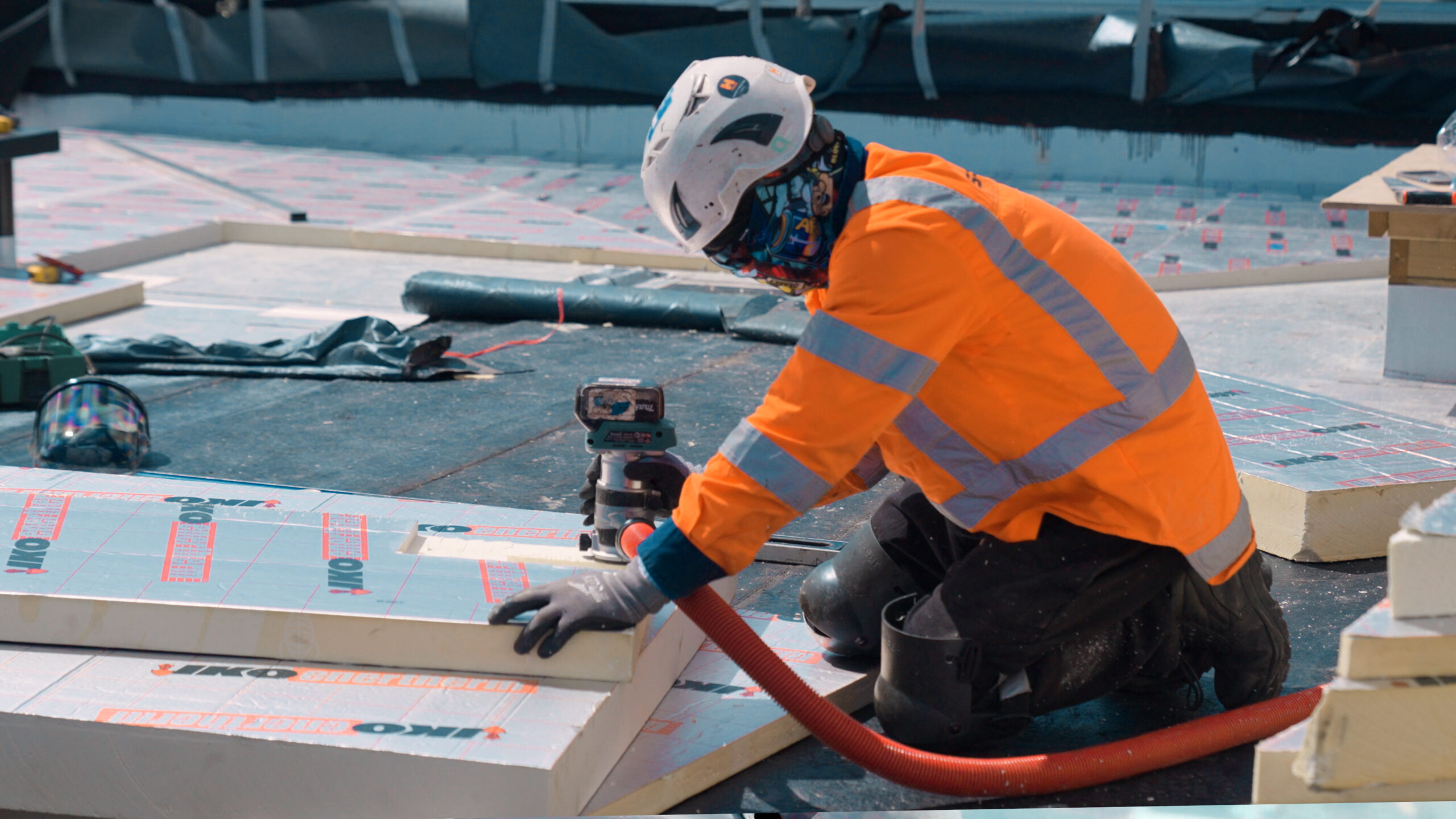
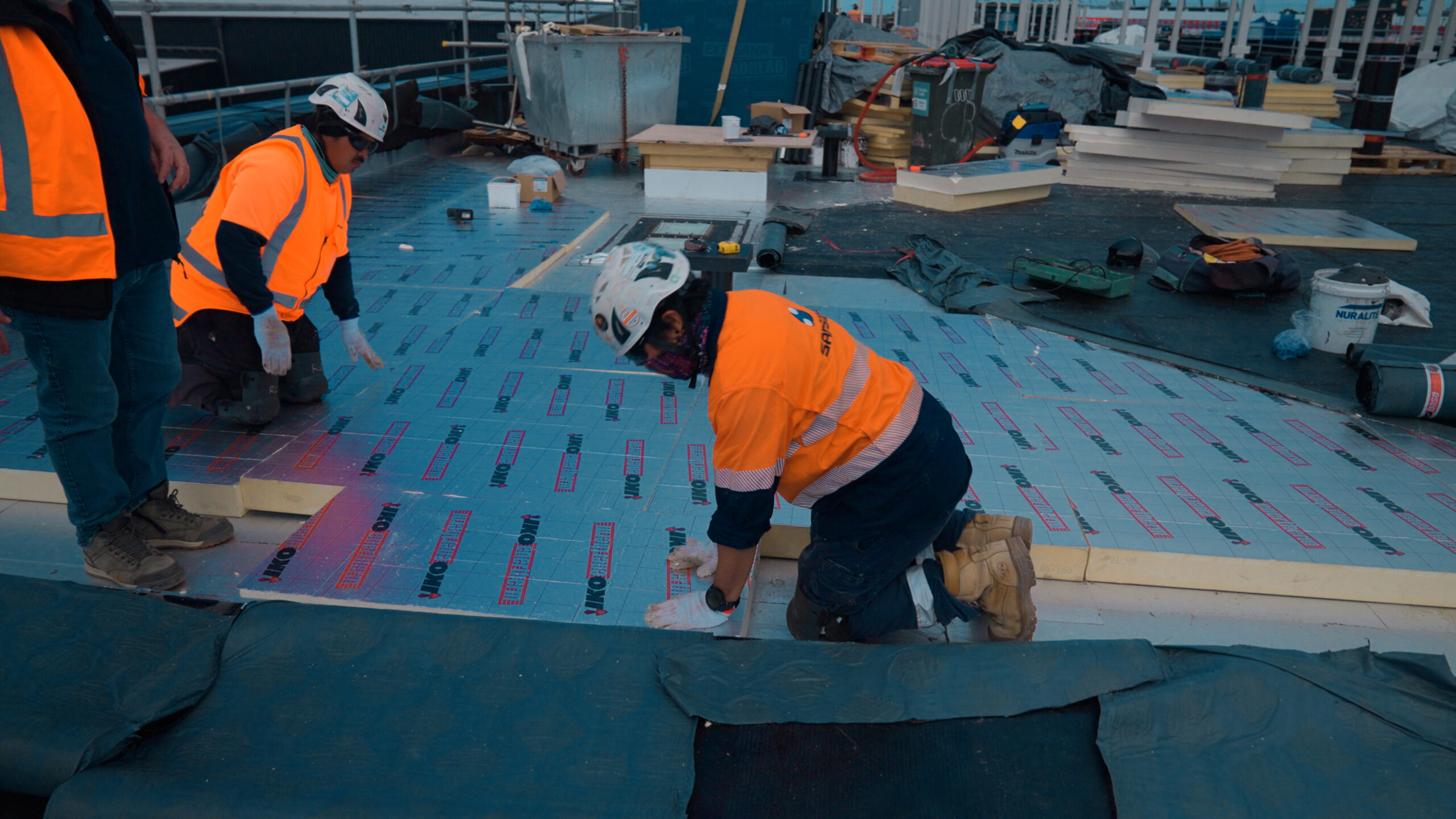
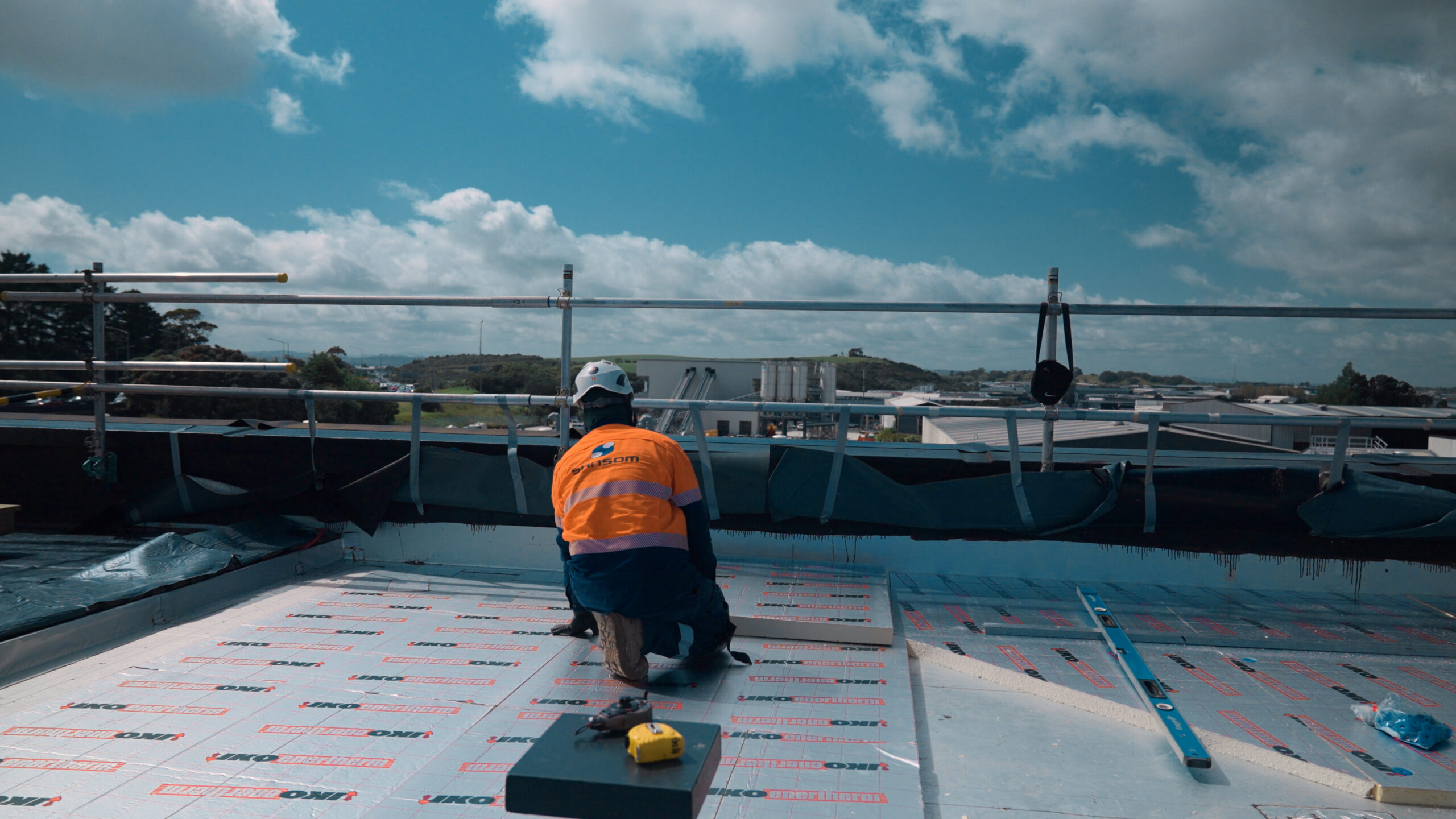
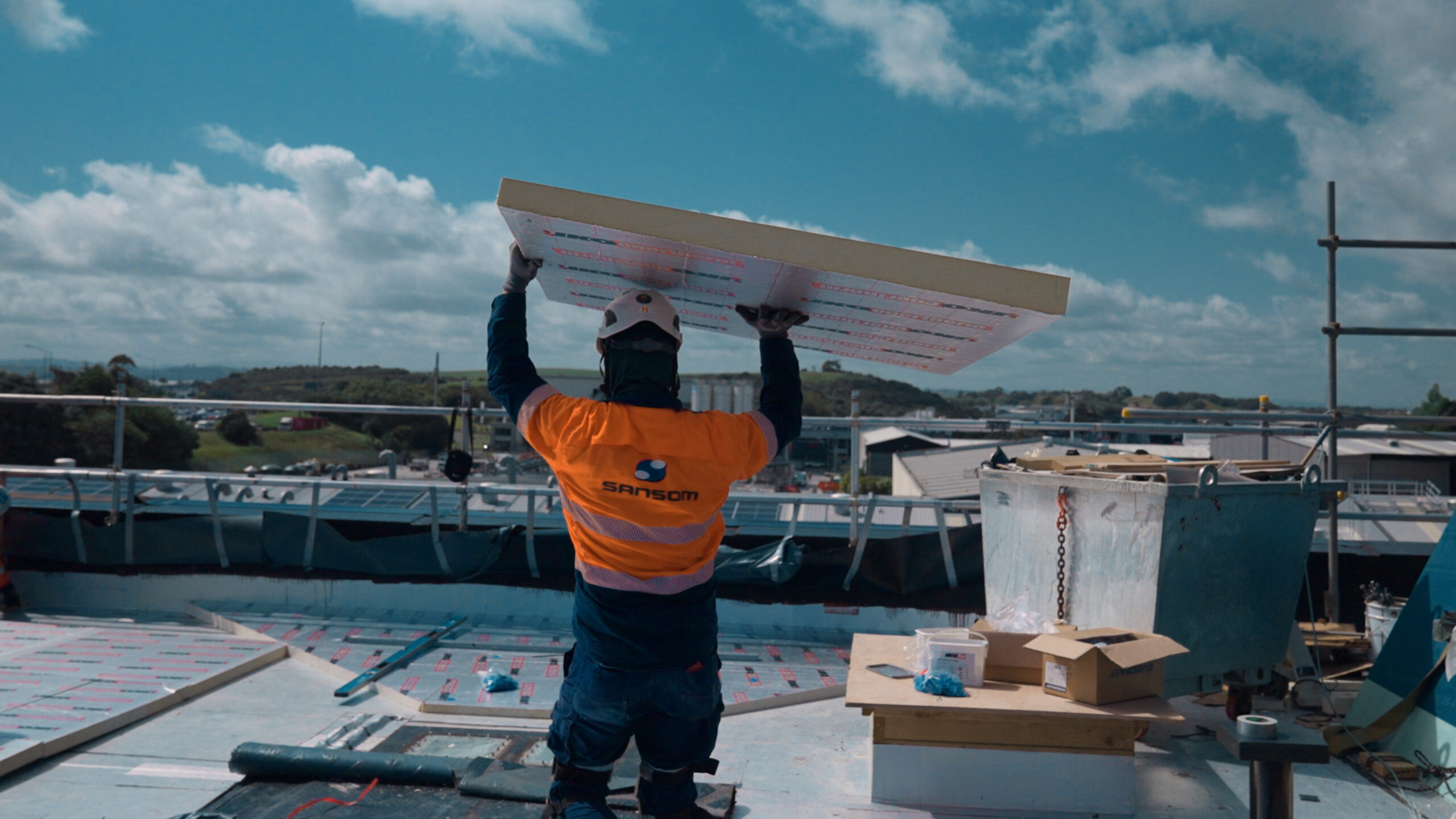
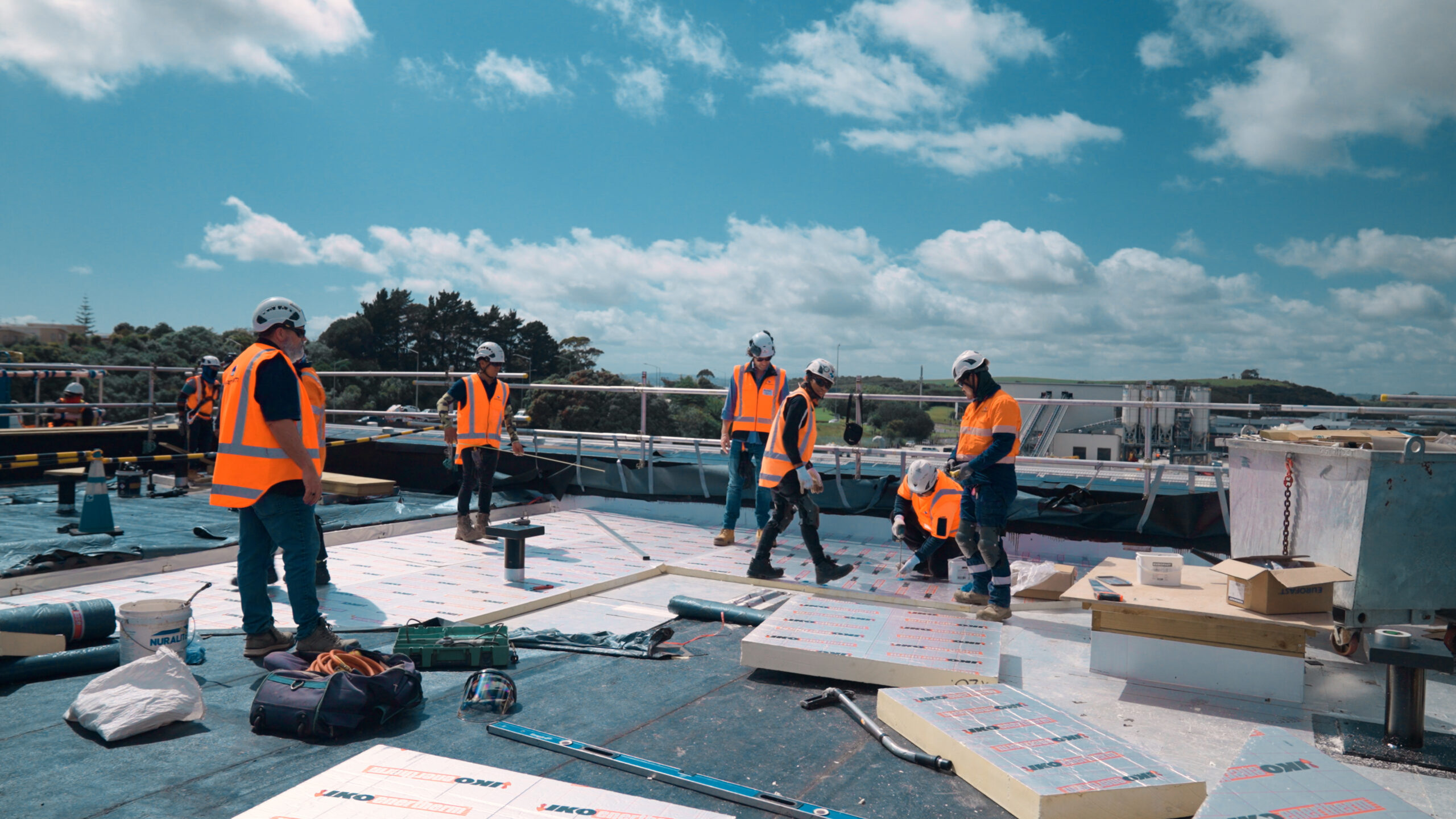
Our scope covered the warm roof system installation on both the Shed and Home buildings, working closely with Naylor Love as the main contractor. The warm roof installation is scheduled for completion by the end of this year, with the overall project completing mid-next year.
No Weather Protection: Without any weather protection around the building, we leveraged our resource capacity to maximise and minimise staff numbers during weather fluctuations while maintaining programme. This flexibility allowed us to deploy teams when conditions permitted and scale back during adverse weather without compromising the overall schedule.
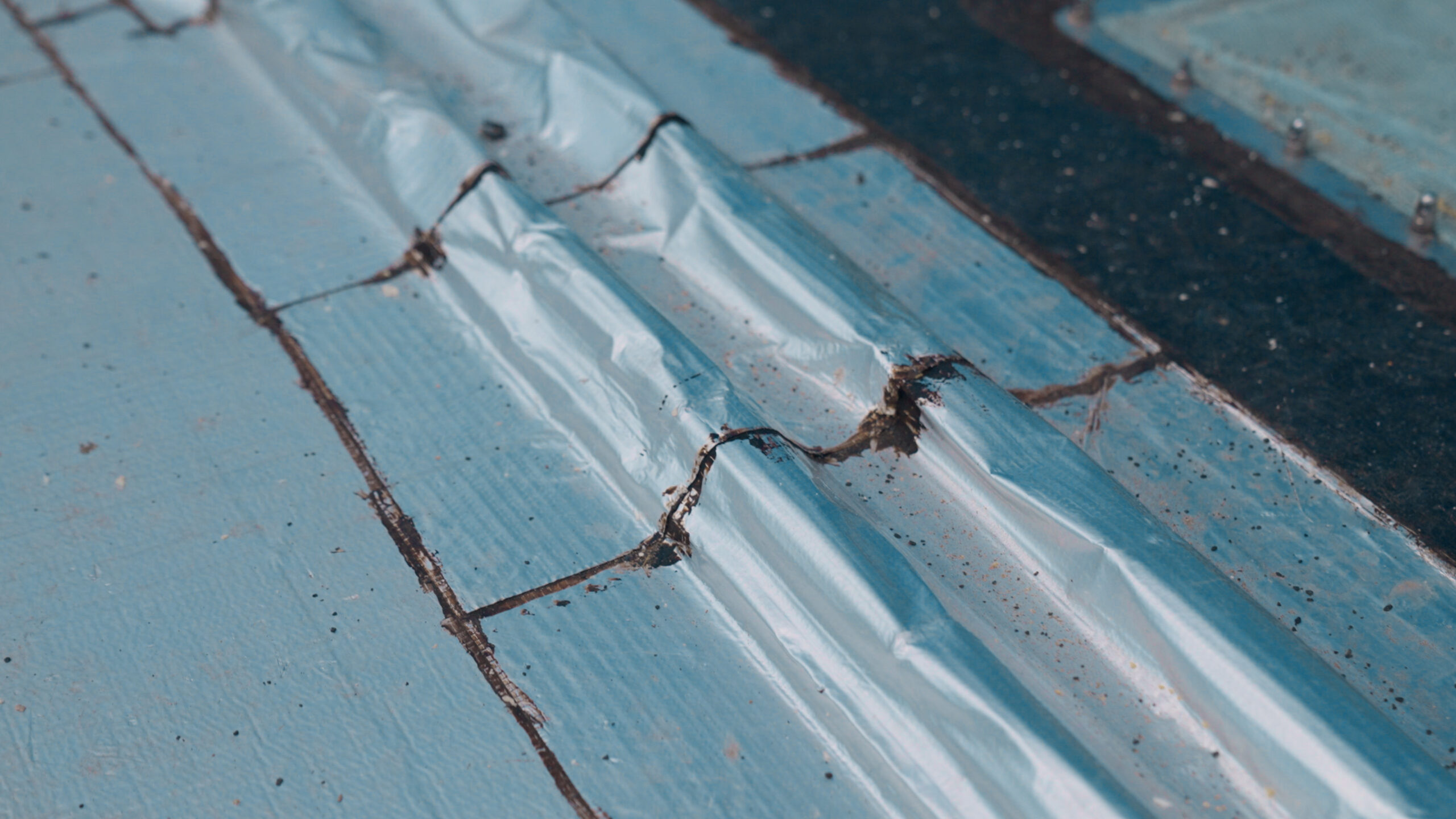
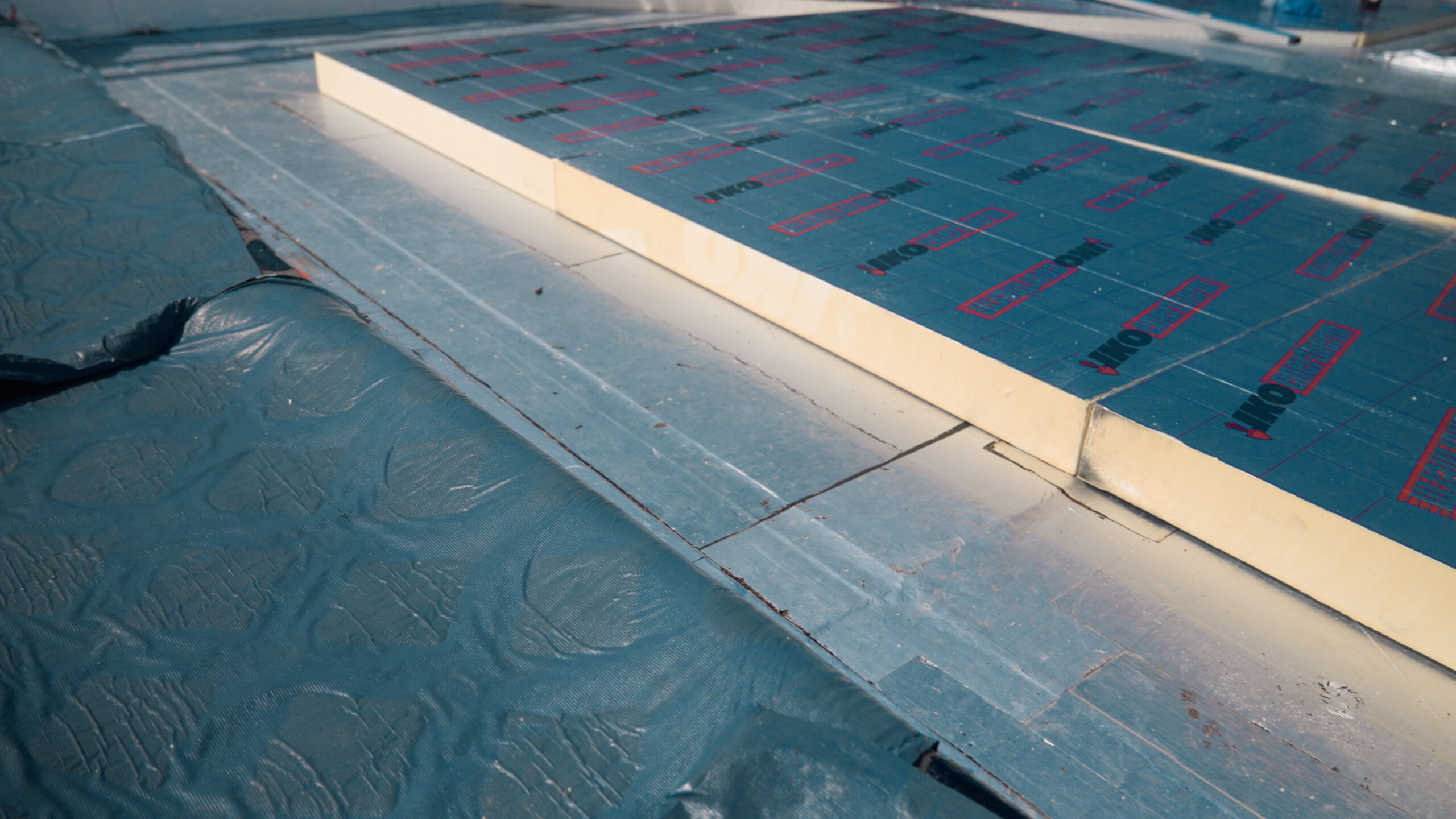
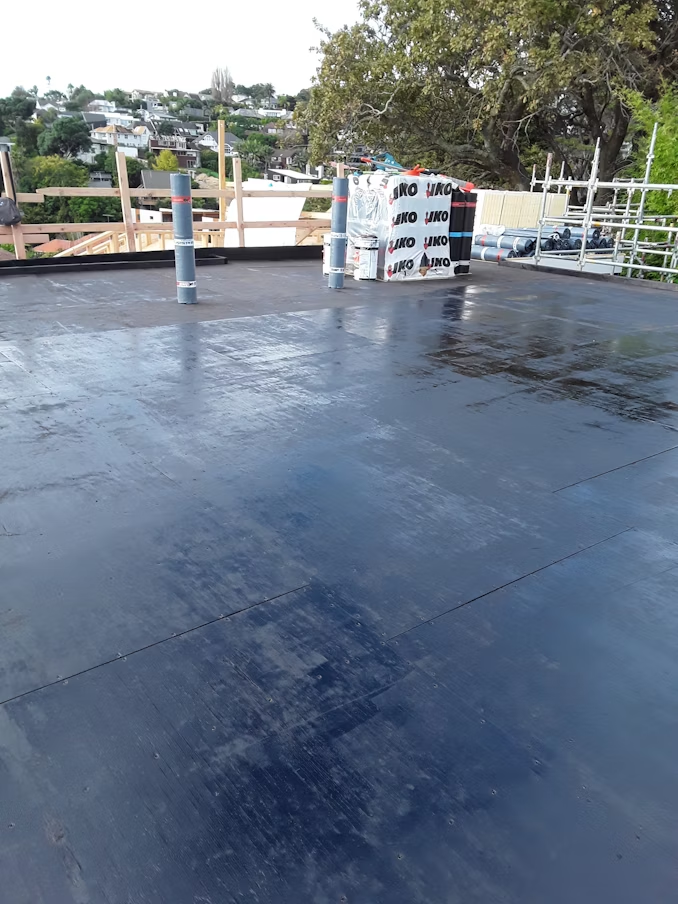
Night Joints: To protect completed daily sections of the roofing system, we installed night joints. Every stopping point was made completely watertight each evening before continuing the next day. This compartmentalised approach was critical as unintended water ingress into a warm roof creates its own environment, causing movement and potential long-term system failure.
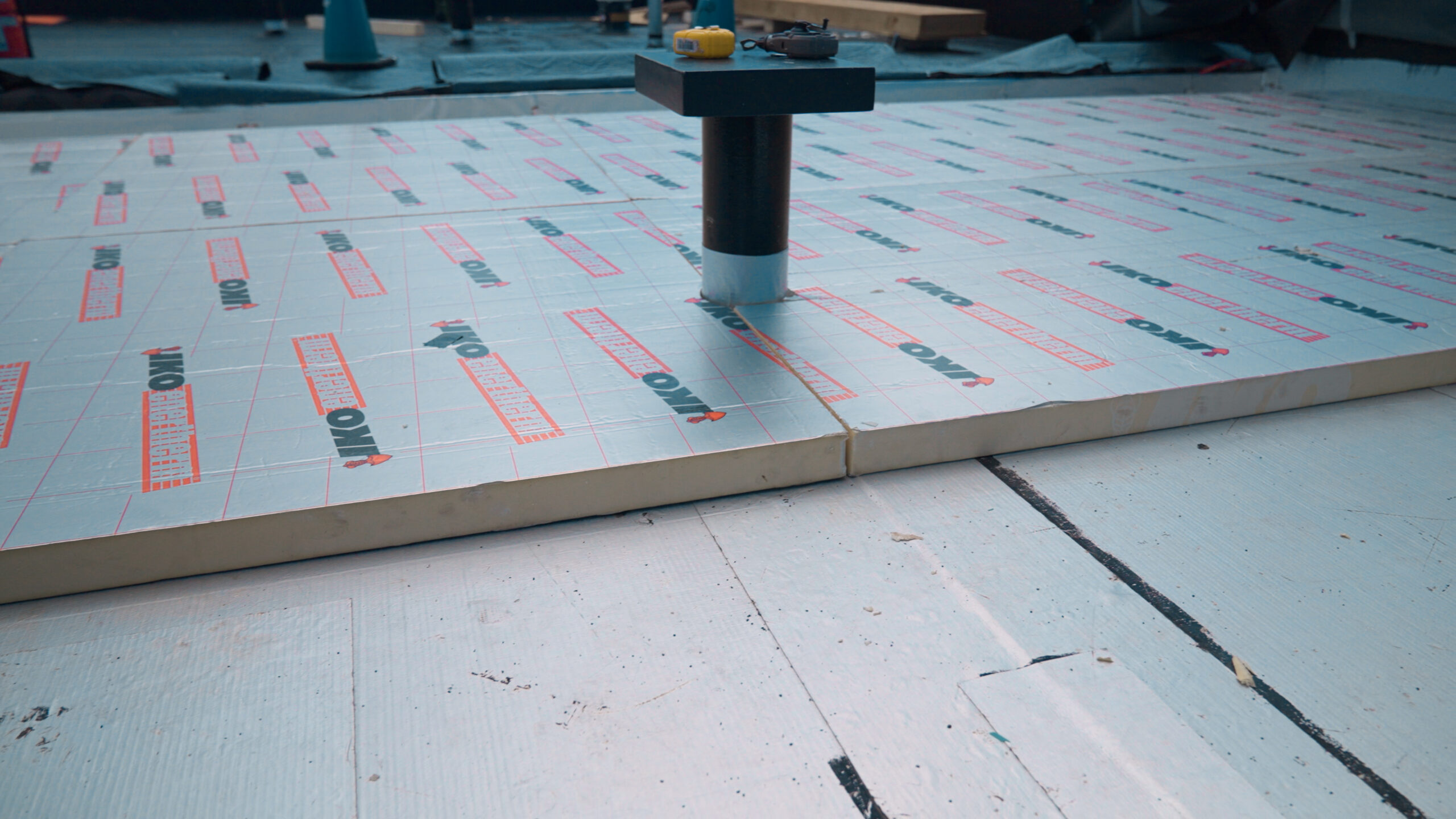
PIR Design Issues: Design challenges were identified early in the project and resolved collaboratively with all parties involved. Learning from previous projects, we established coordination meetings with Naylor Love, designers, and architects at the project outset to ensure the PIR design was fully signed off long before installation commenced.
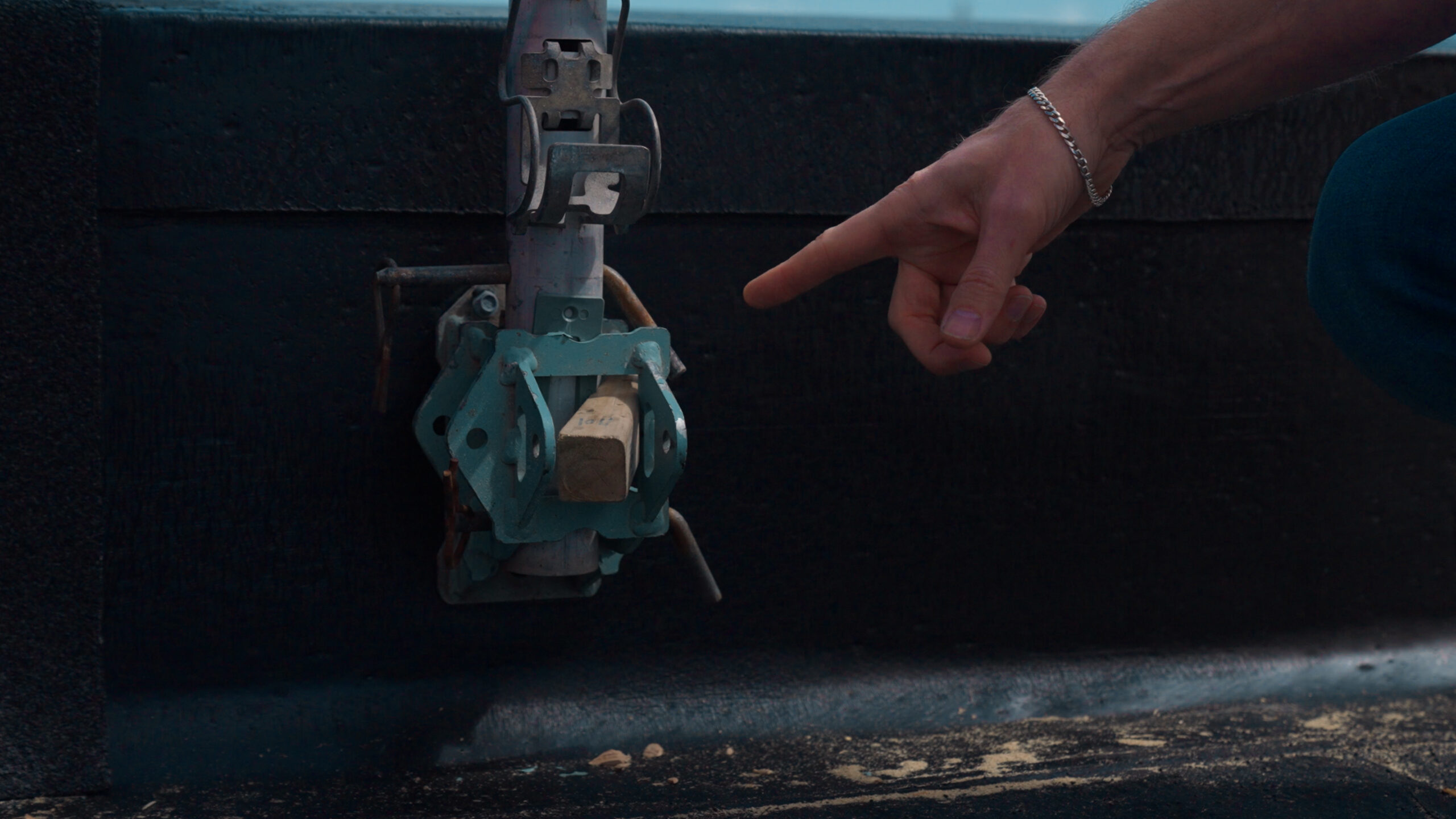
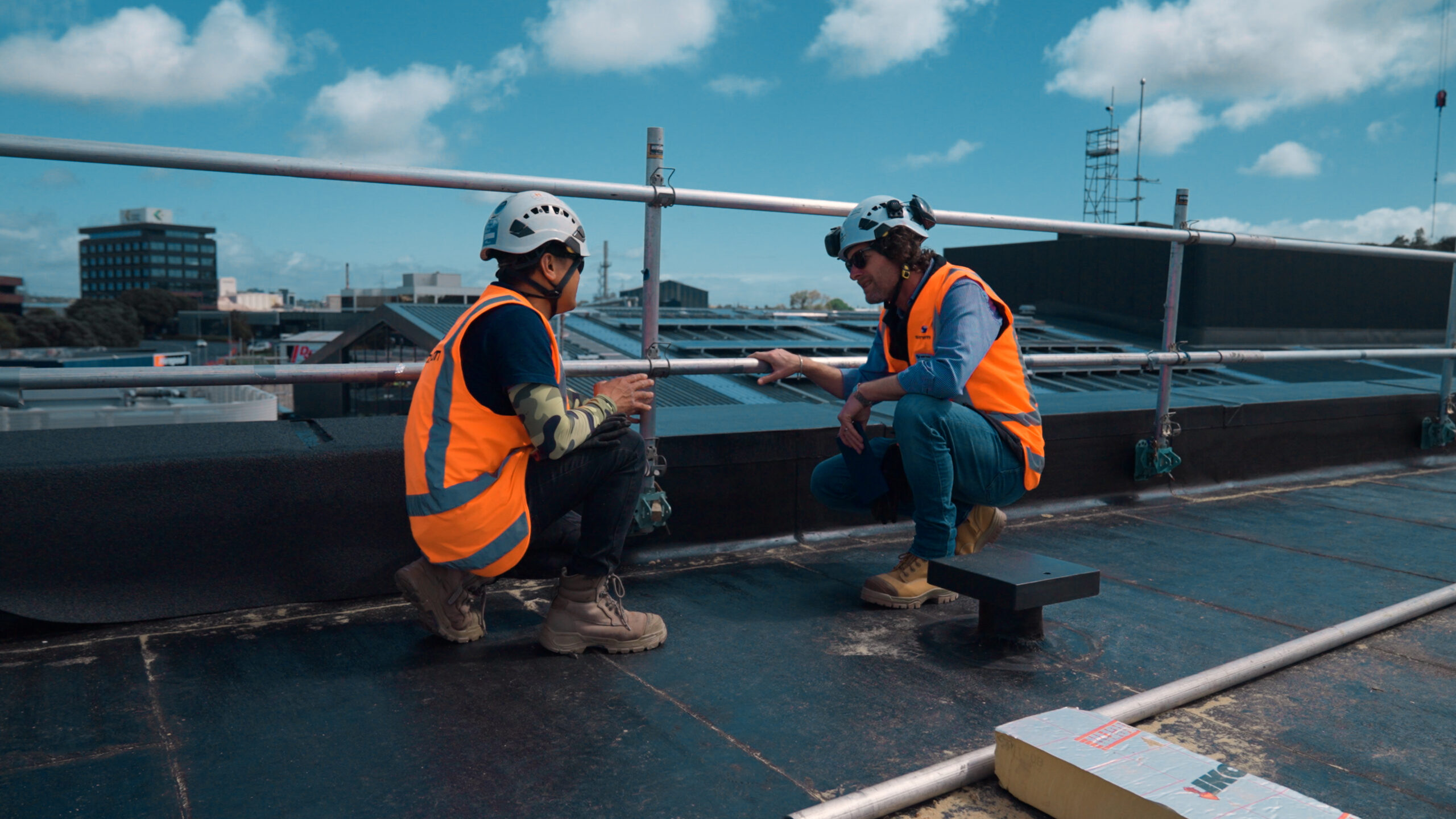
Hundreds of Penetrations: There were many penetrations through the roof membrane for the solar panels, in addition to penetrations for the temporary handrail. We installed hundreds of anchor plates and detailed around these penetrations. Upon completion of the warm roof works, the temporary handrail will be removed, and we’ll return to detail these penetrations.
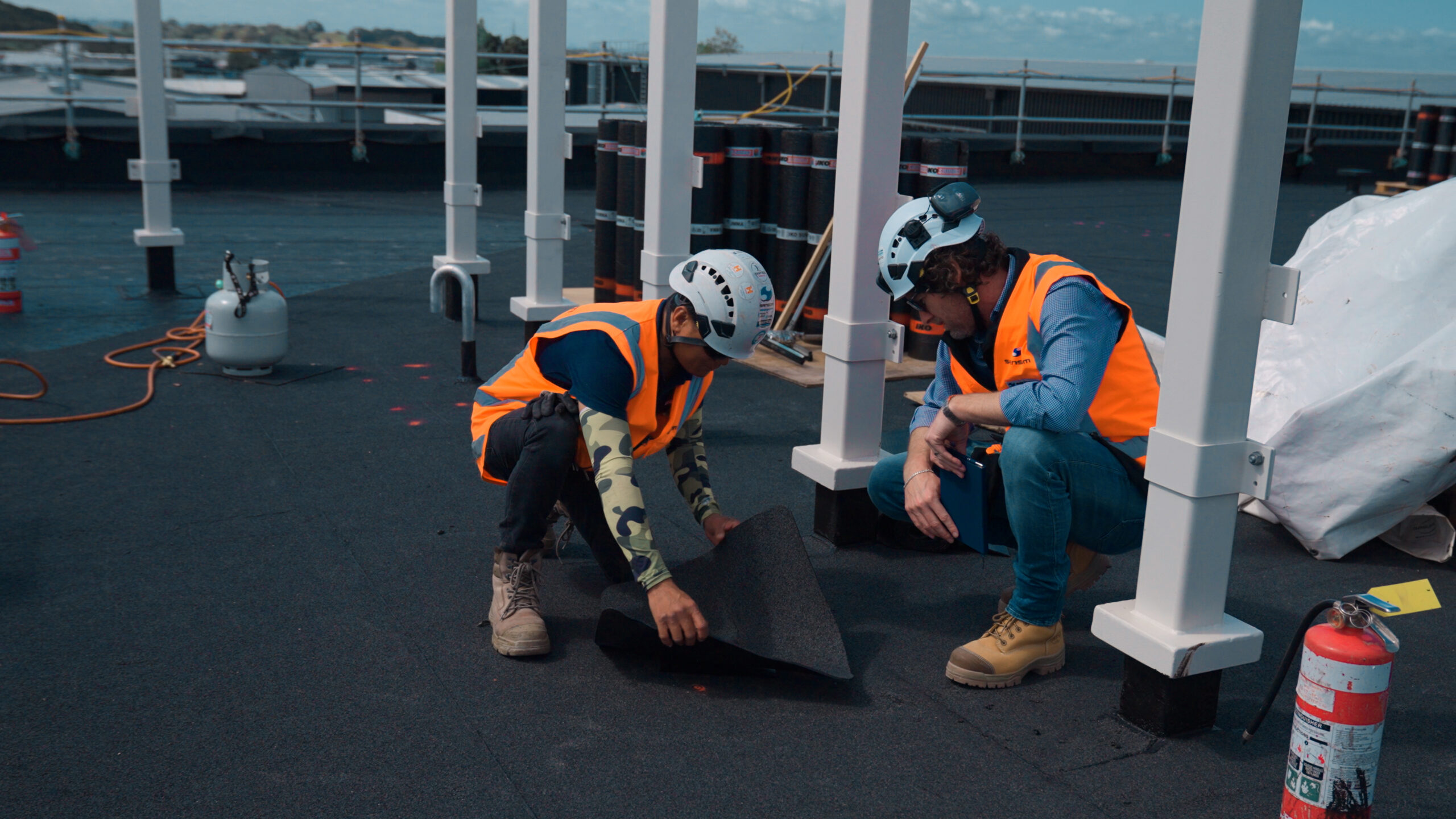
As always, we performed EVFM testing of the membrane and implemented our CONQA quality assurance programme throughout, documenting each installation step. This live digital QA system allows architects, main contractors, and consultants to monitor progress and quality in real-time, providing complete transparency and accountability.
The project has progressed successfully despite challenging weather conditions, remaining on programme for completion by year-end. The warm roof installation demonstrates that with proper planning and rigorous protocols, successful warm roof systems can be delivered without weather protection.
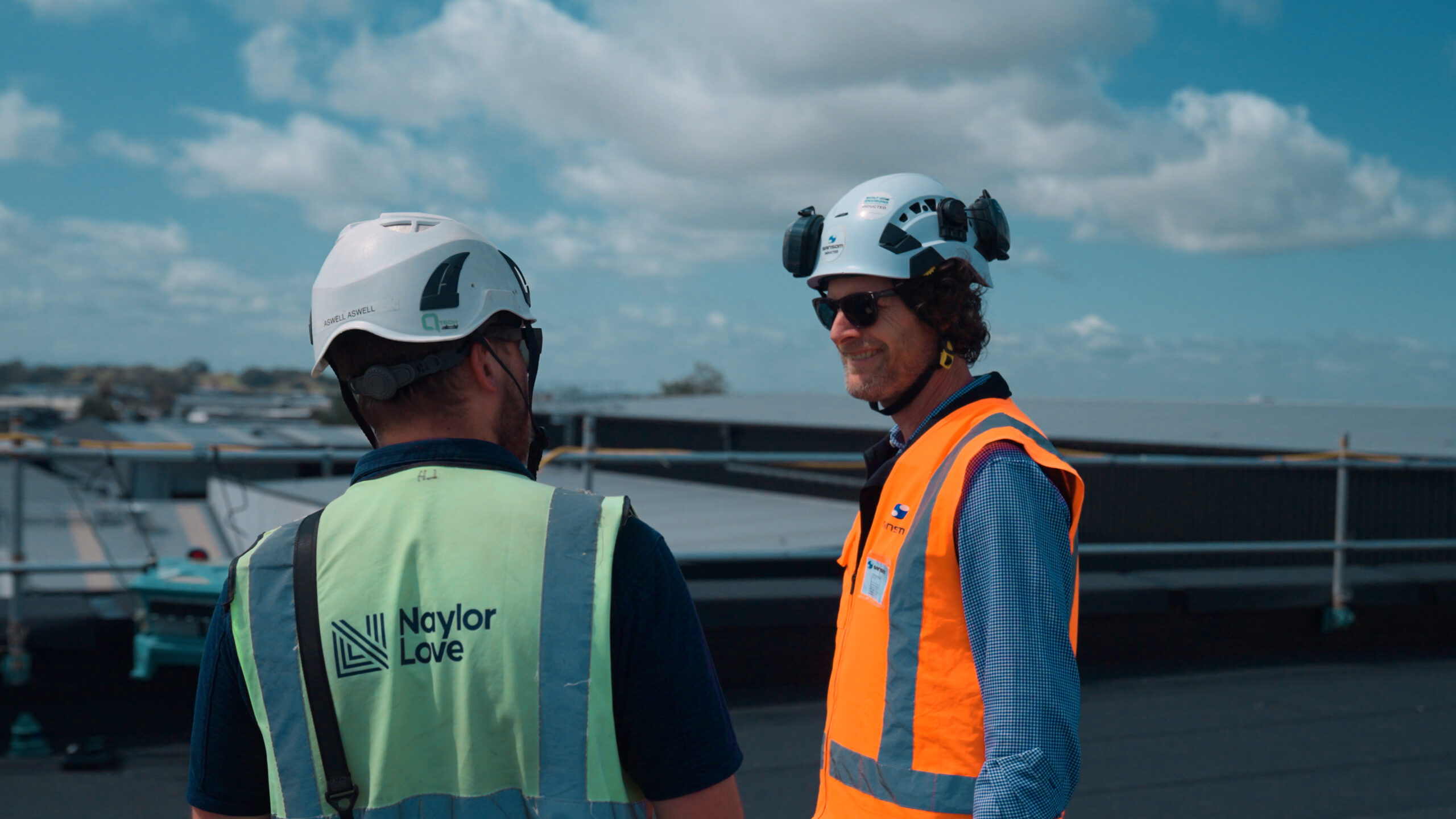
Naylor Love’s site staff provided excellent support throughout, helping navigate design changes and weather challenges whilst maintaining a strong, positive working relationship. The early design coordination approach proved highly successful, with all parties aligned before installation commenced.